Quality Assurance & Testing
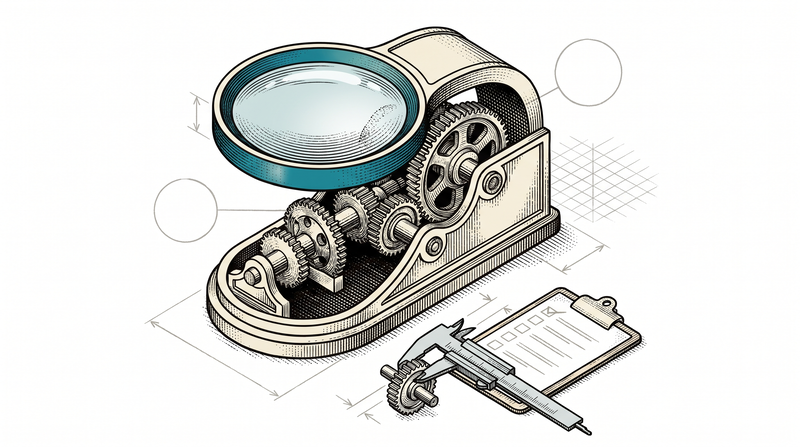
We break the software before your users do
Quality isn't a single stage; every layer of development calls for its own kind of testing — from the screen to the API, from one user to a thousand.
Web testing
Browser end-to-end scenarios, form and flow validation, cross-browser checks.
Mobile testing
Real-device scenarios on iOS/Android, offline behavior and notification-flow testing.
API & integration testing
Contract and end-to-end integration tests validate the data contract between two systems.
Performance & load testing
Response time and bottlenecks are measured under concurrent users; the breaking point is found before the system breaks.
Security scanning
Dependency and common-vulnerability scanning; authorization and data-leak scenarios are checked.
Regression & CI safety
The automated suite runs on every commit; if a new change breaks something old, it's caught before release.
Quality is not an accident
From manual scenarios to an automated test suite, from performance measurement to security scanning, we test the product systematically; we find the bugs, not your users. The gap between a feature 'looking like it works' and being 'tested and verified' decides who gets the surprise in production.
Because we've built our sector products on the same core, we know which scenario is critical and which edge case tends to get skipped. Testing isn't a check at the end for us — it's a discipline that moves alongside development.
- A systematic, scenario-based approach
- The automated suite runs on every commit
- Performance limits are measured, not guessed
- Edge-case knowledge from our products
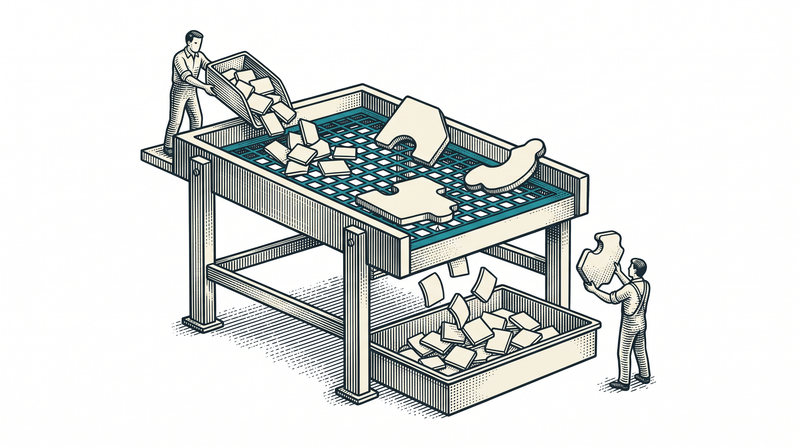
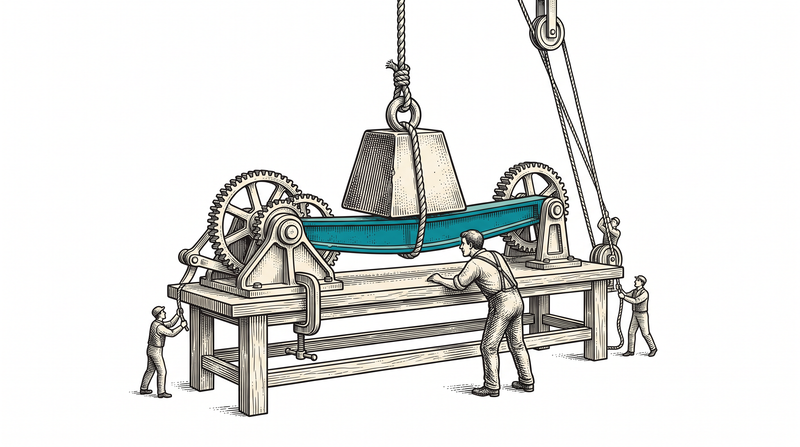
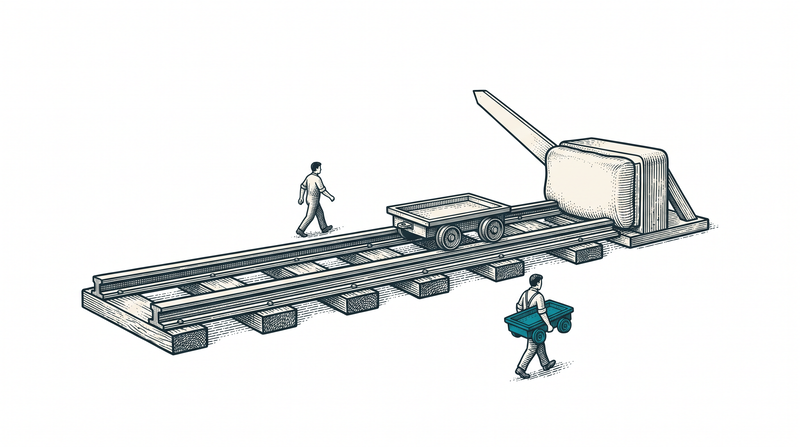
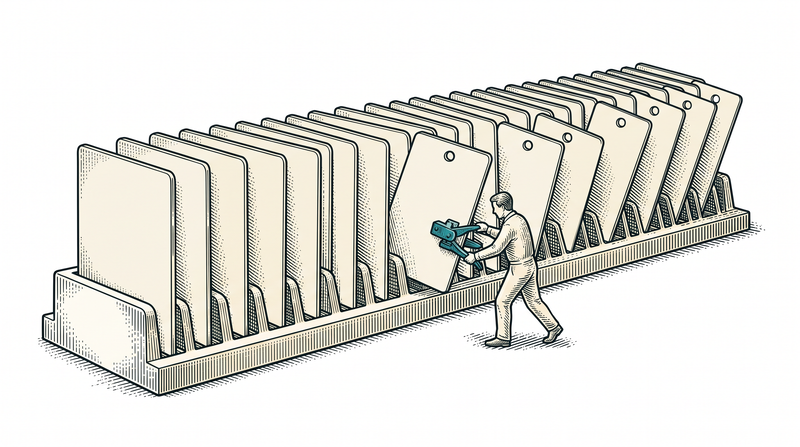
Automated, manual and load testing: you need all three
What an automated test suite brings
Automation hands repeated work to the machine, not to a person: the same scenario runs on every commit, with the same rigor, without fatigue. Regression safety becomes a continuous habit, not a one-time check.
- Fast feedback that runs automatically on every commit
- Repeatability independent of human error
- Regression safety wired into the CI pipeline
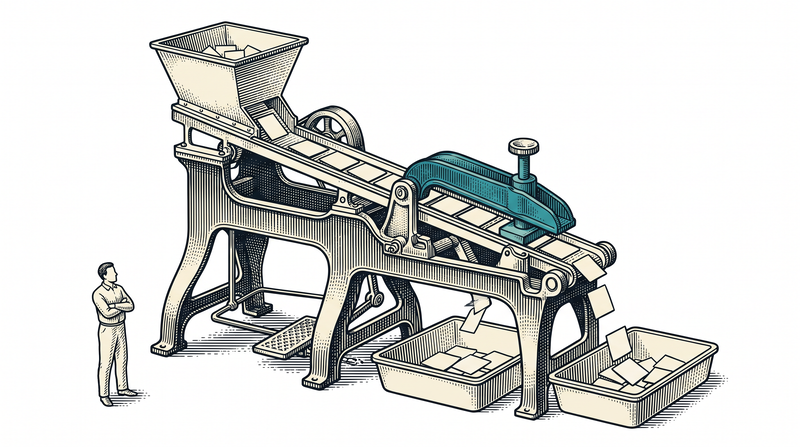
What manual & exploratory testing brings
Automation confirms the 'expected'; the real surprises show up where nobody looked. A human eye catches whether a flow feels right and how a new feature feels in real use — in places an automated script can't reach.
- User-experience checks that can't be automated
- Discovery of unexpected scenarios and edge cases
- Early, direct feedback on a new feature
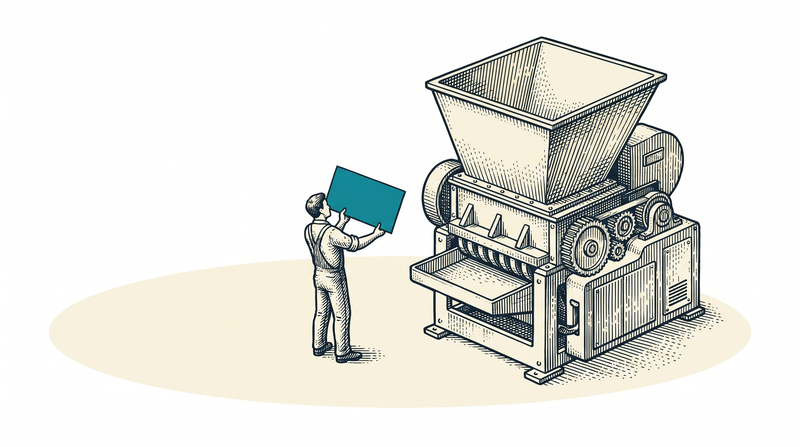
What load and endurance testing brings
A system working with one user says nothing about it working with thousands at once. Load testing measures exactly that: up to how many concurrent requests response time stays acceptable, at which point the database or the queue chokes, and whether the system recovers afterwards. The goal isn't to break it but to see where it bends before it breaks — once that limit is known, capacity stops being a guess and becomes a number.
- Response time measured under concurrent users
- Identifying which layer the bottleneck sits in
- Recovery behaviour after the load
The test lifecycle
Scenario & acceptance criteria
For every feature, a written answer to 'when is it done' is produced; testing starts from there.
Environment & data setup
An isolated environment is set up with realistic test data; testing never runs against production data.
Automated + manual execution
The automated suite and manual/exploratory rounds run in parallel; neither replaces the other.
Bug tracking & verification
Every bug found is prioritized; after the fix, the same scenario is re-run — 'closed' means verified.
How QA plugs into the development flow
Parallel scenarios while a feature is built
Test scenarios are written while development is underway; testing isn't left for the end.
Automatic trigger on the PR
Every pull request triggers the automated suite; a red result blocks the merge.
A pre-release exploratory round
A short manual exploratory round before release scans the corners automation doesn't cover.
Post-release monitoring
The live error rate is watched; a recurring issue is added to the regression pool as a permanent scenario.
3 gains that test documentation brings
No knowledge loss
Scenarios and acceptance criteria stay written down; even if the team changes, the answer to 'why this way' isn't lost.
New teammates ramp up fast
Documented scenarios speed up onboarding; a new hire learns the product by reading the tests.
Auditability
Which scenario ran in which release, and its result, is on record; 'was it tested' rests on a record, not a memory.
The technology we build on
- xUnit
- Playwright
- Contract testing
- integration testing
- k6
- JMeter
- GitHub Actions
- pipelines
What ships as standard in every QA process
Let us break your software before it ships
We'll listen to your product and its riskiest flows and map out where to start, together. The first conversation is non-binding.
Frequently asked questions
Only ready-made products, or custom development too?
Both. Our products are used by subscription; if your need differs, the same team builds custom.
How does pricing work?
Monthly subscription for products; fixed price or monthly contract for custom projects. First call is free.
Do you sign NDAs?
Yes — we'll sign before the first call if you ask.
Can we work from abroad?
Yes, we're remote-first; communication in Turkish and English.
Will it integrate with our existing systems?
Integration is at the core of what we do: our solutions talk to existing ERP/CRM and hardware.