Web Application Development
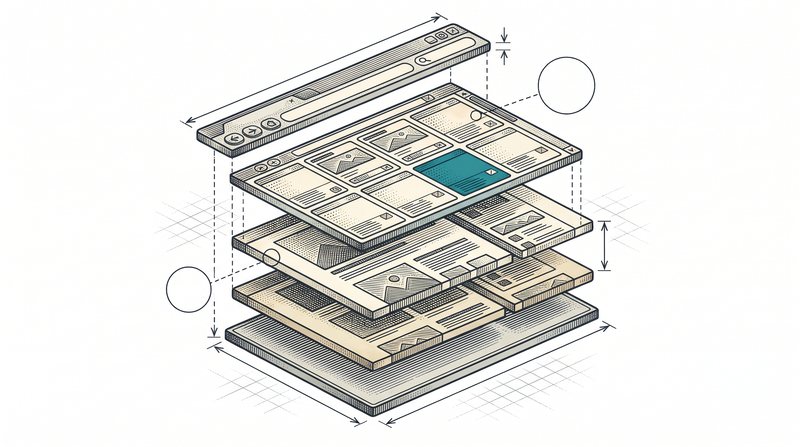
Enterprise-scale business applications that run in the browser
From ERP to admin panels, from customer portals to reporting dashboards — all in one browser tab, with nothing to install.
ERP/CRM systems
Multi-user, role-authorized business management systems; departments work on the same data.
B2B portals & order management
A portal where dealers and suppliers self-serve their own orders, stock and pricing.
Admin panels & management UIs
Internal management screens that run content, users and process — the ones your team opens dozens of times a day.
Self-service customer platforms
A customer portal where customers view and manage their own invoices, requests and history.
Reporting & dashboard systems
A reporting layer that turns business data into readable dashboards, Excel and PDF exports.
Multilingual, SEO-friendly corporate sites
Corporate and product sites that rank in search and publish in multiple languages, including RTL.
A dual architecture: Next.js for speed, Angular for depth
The public side and the internal management side don't need the same things: one cares about SEO, speed and first paint, the other about dense forms, tables and complex business rules. So we don't try to solve both with one tool — Next.js for the public face, Angular for the admin panel, both speaking the same .NET 9 Web API. This split isn't a preference on paper; it's a rule that runs on this very site — the public face of vosetu.com you're browsing right now is Next.js, and the admin panel that feeds it is Angular.
We haven't set up this pair once — we've done it again and again: our content platform is a multi-tenant system managing multiple sites on one infrastructure; each of our sector SaaS products runs its own admin panel on this architecture. We set up the same split for your project too, choosing the right tool for whichever screen needs speed and whichever needs depth.
- Next.js: public-facing, SEO and speed
- Angular: admin panel, form and table depth
- A shared .NET 9 Web API core
- The architecture running on this very site

Web architecture at work in real products
Multi-tenant content platform
Our content platform is a multi-tenant system managing unlimited sites from one install: a flexible content model, multilingual publishing and per-tenant admin panels run on the same core. When one customer's site is turned off or on, the others are untouched — tenant isolation is part of the architecture, not a patch added later.
- One install, unlimited sites
- Per-tenant isolation and administration
- Multilingual publishing as standard
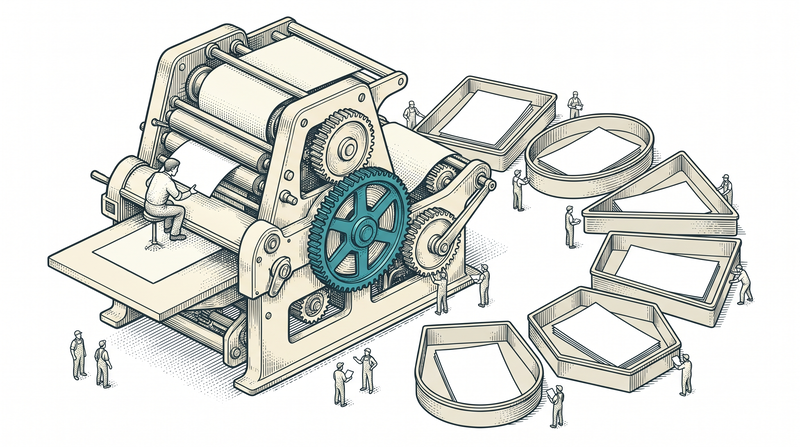
The panel + public-site pair
Every one of our sector SaaS products shares the same pattern: the customer-facing public product on one side, the panel where the business manages its data on the other. You change content in the panel and it shows up on the public side instantly; there's no middle layer or manual publish step.
- A panel change goes live instantly
- Role-based access is standard in every panel
- A pattern proven across our products
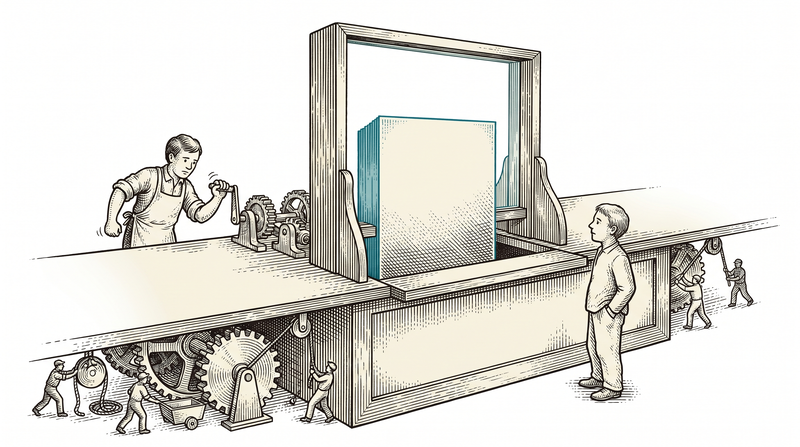
SEO, speed and multilinguality
The public side renders with server components; a search engine sees a filled page, not an empty shell. Multilinguality isn't a layer bolted on afterward — this very site publishes in four languages (tr/en/de/ar), including right-to-left (RTL) layout for Arabic.
- Server-component-first rendering
- Publishing in 4 languages, RTL included
- A filled page for search engines
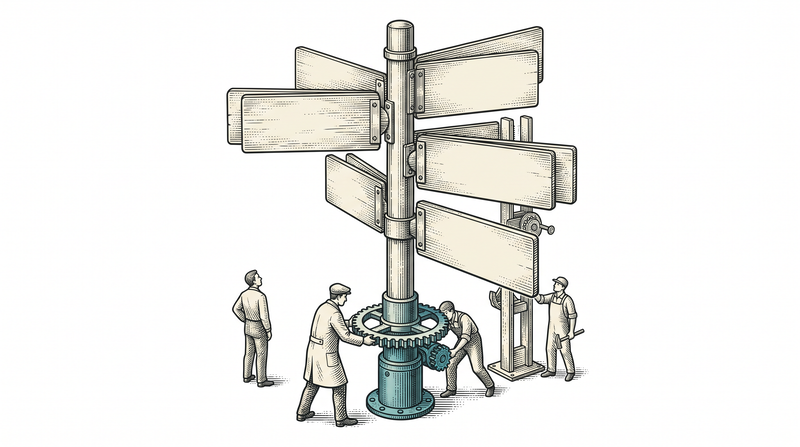
How we build a web application
Screen & role map
We map who sees which screen with which permission; the public side and the panel side are planned separately.
API & data model
We build the .NET 9 Web API and the PostgreSQL data model; both the panel and the public side speak the same contract.
Interface development
We develop the public pages with Next.js and the panel with Angular in parallel; both progress on the same API.
Launch & monitoring
We launch with SEO checks, performance measurement and monitoring in place, then continue under SLA maintenance.
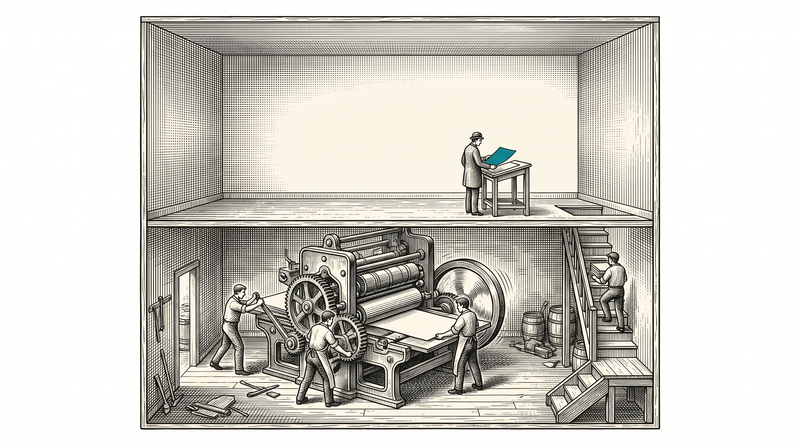
Where our web-based products leave a sector trail
The same Next.js + Angular + .NET 9 core runs behind panels across different sectors.
Enterprise & IT
Our enterprise product family — work and issue tracking and document management — runs on the web.
Finance & insurance
Subscription, billing and pension/life-insurance portfolio panels run on the same web architecture.
Retail & e-commerce
Stock, order and marketplace panels — the management screen a store owner opens every day.
Logistics
Routing, fleet and proof of delivery are watched live from a central panel; the field is mobile, the center is web.
Publishing & corporate
Our content platform's multi-tenant admin panel is built on exactly this dual architecture.
Public sector & facility management
The fault-request flow and asset inventory are managed from the panel; the field team reports from mobile.
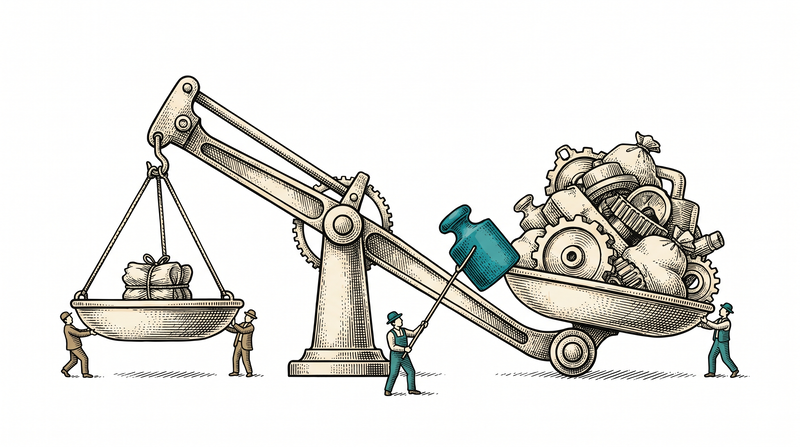
What ships as standard in every web project
The technology we build on
- Next.js
- TypeScript
- Tailwind
- Angular
- TypeScript
- .NET 9
- ASP.NET Web API
- PostgreSQL
- JWT
- OAuth2/OIDC
- Redis
- Docker
Let's build your public side and your panel together
We'll listen to your screens and roles and map out where to start, together. The first conversation is non-binding.
Frequently asked questions
Only ready-made products, or custom development too?
Both. Our products are used by subscription; if your need differs, the same team builds custom.
How does pricing work?
Monthly subscription for products; fixed price or monthly contract for custom projects. First call is free.
Do you sign NDAs?
Yes — we'll sign before the first call if you ask.
Can we work from abroad?
Yes, we're remote-first; communication in Turkish and English.
Will it integrate with our existing systems?
Integration is at the core of what we do: our solutions talk to existing ERP/CRM and hardware.